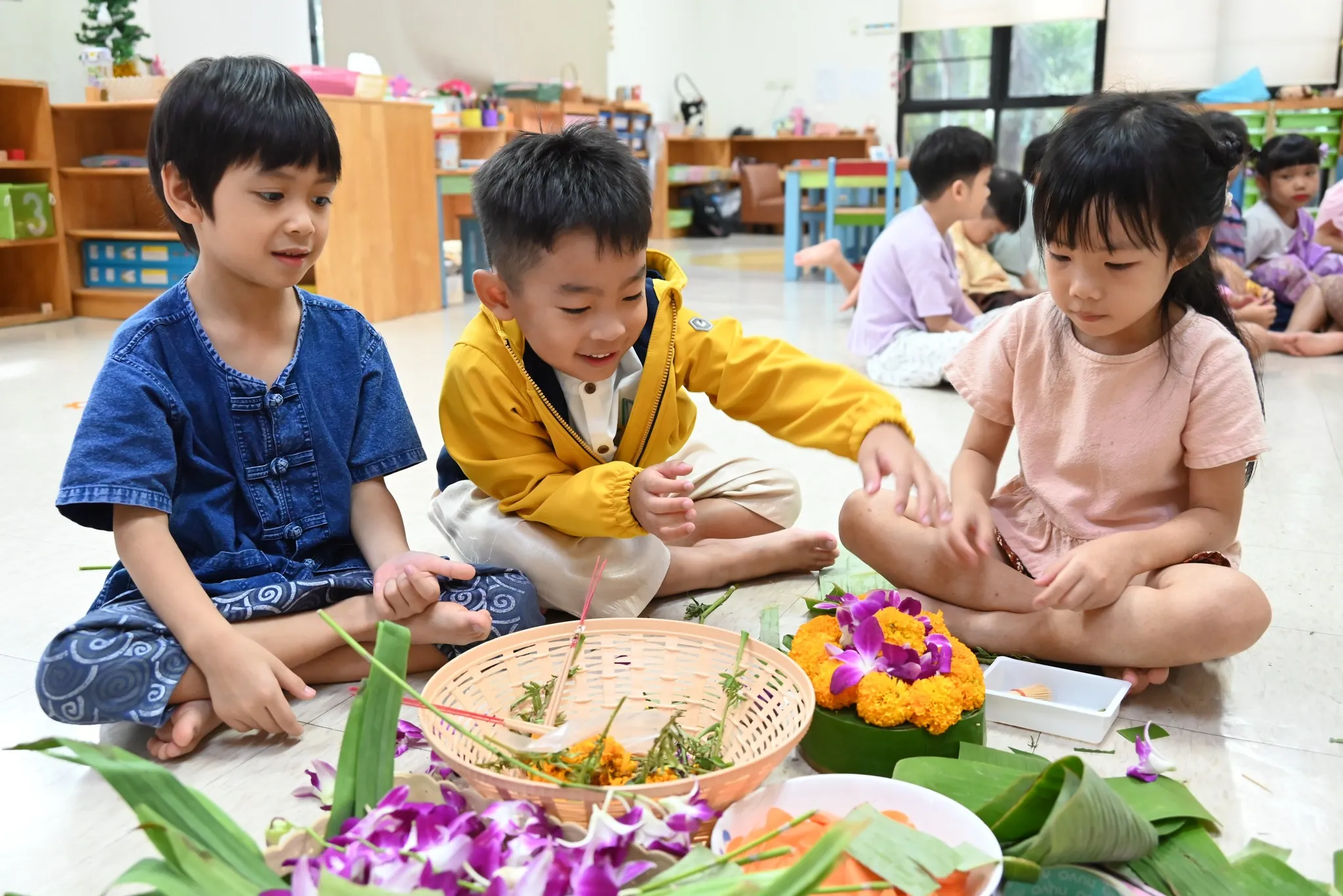
Early Years Programme
Building strong foundations for lifelong learning through play-based approaches, creative exploration, and caring guidance for children aged 3-6 years
Our Learning Philosophy
We integrate Brain-Based Learning (BBL) into everyday teaching, based on the understanding that all children can learn effectively when they feel happy, safe, and engaged. Lessons are designed to encourage thinking, movement, creativity, and emotional well-being, creating a positive learning environment where students are motivated and confident to explore new ideas.
Our curriculum is further enriched by the International Early Years Curriculum (IEYC), which emphasises theme-based, integrated, and hands-on learning. Through real-life experiences, inquiry, and active participation, students are encouraged to connect knowledge across subjects and develop a deeper, more meaningful understanding of the world around them.
Together, these approaches support the holistic development of every child in four key areas: physical strength, emotional well-being, social development, and intellectual growth. At Plookpanya School, we aim to nurture happy, confident learners who are well-prepared for life in an ever-changing world.
International Early Years Curriculum (IEYC)
Experiential Learning
Children learn through hands-on experiences, allowing them to understand learning processes, develop problem-solving skills, and reflect on their own thinking.
Sensory Play
Learning activities are designed to engage the three core sensory systems: tactile (touch), vestibular (balance), and proprioceptive (body awareness). This integration supports brain development, coordination, and effective learning.
Play-Based Learning
Play is a powerful learning tool that encourages children to explore, experiment, create, and discover in a joyful and meaningful way, fostering imagination, confidence, and a love of learning.
Early Years Learning Journey
A progressive approach to early childhood education
Nursery
Building openness to learning, sensory development, and physical readiness for learning
Kindergarten 1
Developing self-awareness, understanding family, and basic self-care and independence
Kindergarten 2
Developing observation skills, questioning, and inquiry-based learning
Kindergarten 3
Problem-solving, teamwork, and readiness for Primary 1
English Language Development with Jolly Phonics
We integrate Jolly Phonics into our kindergarten programme to build a strong and solid foundation in English language learning in a natural and developmentally appropriate way. Children learn letter sounds, blending, segmenting, and decoding, enabling them to read words accurately and with confidence. Learning takes place through a wide range of engaging activities such as Big Book storytelling, songs with actions, crafts, and other creative experiences aligned with each letter sound. These activities support the development of listening, speaking, phonetic reading, and correct writing skills in a joyful and meaningful way. Most importantly, children develop confidence and a positive attitude toward learning English from an early age, laying an essential foundation for lifelong learning.
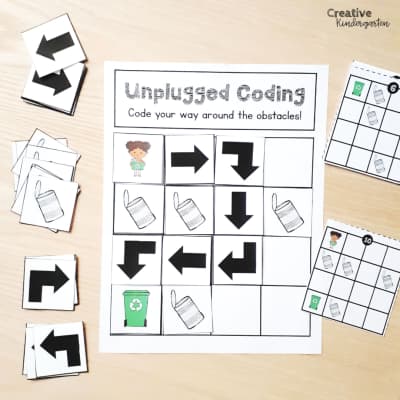
Coding for Kids: Unplugged Coding
Plookpanya School introduces Unplugged Coding to develop early coding and computational thinking skills without the use of computers. Through sequencing activities, direction planning, and hands-on tools such as cards, games, and Cubetto, students build logical thinking, systematic problem-solving, and step-by-step reasoning in an engaging and age-appropriate way.
Life Skills for Confidence and Independence
Nursery & Kindergarten 1
Building Confidence Through Daily Routines
- Coming to school without crying
- Putting on and taking off shoes independently and keeping them organized
- Taking care of personal belongings such as bottles and bags
- Eating independently and cleaning up after meals
- Dressing themselves (elastic pants, buttoning and unbuttoning)
- Folding clothes, arranging bedding, and managing daily self-care
Kindergarten 2-3
Developing Responsibility, Teamwork, and Primary School Readiness
- Dressing and undressing independently and folding clothes skillfully
- Organizing school bags and managing personal items on their own
- Using the bathroom independently
- Learning roles and responsibilities through service units and daily duties
- Helping to organize and clean the classroom, including lifting chairs
- Working with others, understanding shared responsibilities
- Building readiness before transitioning to primary school
Why Life Skills Matter
Sensory Integration
Visual System
Auditory System
Tactile System
Olfactory System
Gustatory System
Vestibular System
Proprioceptive System
Visual System
Auditory System
Tactile System
Olfactory System
Gustatory System
Vestibular System
Proprioceptive System
Executive Functions (EF)
Developing essential brain skills for lifelong success
Working Memory
The ability to hold and manipulate information in mind, essential for following multi-step instructions and problem-solving.
Inhibitory Control
The capacity to pause, think before acting, and resist impulses—key to making thoughtful decisions.
Cognitive Flexibility
The skill of adapting one's thinking, considering multiple perspectives, and adjusting strategies when encountering new situations.
Get In Touch
We're excited to learn more about your child and how Plookpanya can support their educational journey. Fill out the form below and our admissions team will get in touch with you shortly.